
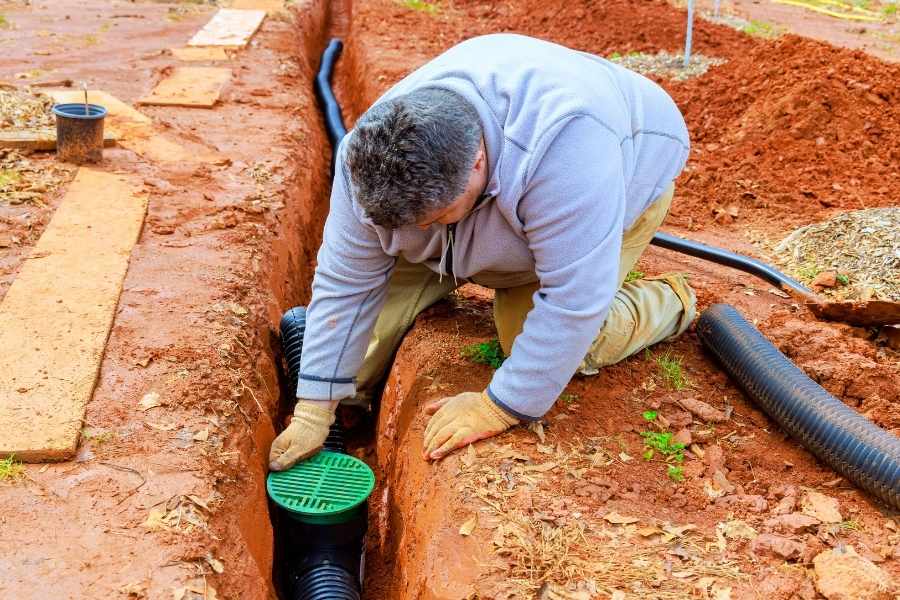
Nothing ruins a quiet evening faster than a foul stench creeping up from the kitchen sink. You clean the counters and wash the dishes, yet the unpleasant scent lingers. Keeping your drainage system clean is much easier than tackling a sudden, dirty basement flood. A few smart adjustments will keep your pipes flowing smoothly every single day.
Pipes work like the circulatory system of your home. When sticky sludge clings to the walls, water slows down quickly. Bacteria then multiply fast, pushing sour gases into your rooms. You do not need expensive service calls to fix this issue. Simple preventive habits will protect your plumbing and save your hard-earned money.
Plumbing networks rely on natural gravity to move dirty water away. When inner walls collect soap film, food particles, and lint, pipe diameters shrink. This constant buildup creates slow drains, annoying gurgling sounds, and unhealthy living conditions. Taking active control of your home plumbing prevents messy backups and preserves your pipes.
Everyday Defense for Modern Home Plumbing
Clean indoor pipes protect your living spaces from nasty sewer flies and expensive leaks. Daily life sends soap residues, body oils, and food scraps straight down the pipes. In addition to knowing how to fix a leaky faucet to prevent moisture buildup around fixtures, learning the best habits to prevent clogged house drains keeps your pipes clear. Never pour warm cooking grease, leftover meat fats, or harsh industrial chemicals down your drains. Routine care prevents corrosion, nasty pipe leaks, and emergency visits from local plumbers.
Every fixture in your house serves a distinct household purpose. Kitchen sinks receive oily residues, while bathroom drains catch loose hair and soap scum. Basement drains collect heavy silt, dust, and floor washings. Treating each drain according to its specific use stops problems before they start.
Plumbing lines need smooth, unobstructed passages to carry wastewater away safely. When you combine basic leak repairs with regular drain defense, your entire water network runs smoothly. Simple preventative steps taken right now save you hundreds of dollars in future pipe repairs.
Physical Traps for High-Traffic Sinks
Your best defense against bathroom blockages is simple physical exclusion. Placing a fine stainless hair catcher over shower and sink drains catches loose strands immediately. Hair quickly binds with sticky soap film, creating dense mats that trap passing dirt.
Clean your silicone or mesh filters twice each week to keep water flowing freely. Never wash liquid wax or heavy cosmetic clay down small bathroom drains. Brush shedding pets outdoors or wipe grooming brushes directly into the trash bin. Sink stoppers also collect tangled hair along their lower rods, so wipe them every two months.
Bathroom pipes feature tight bends that easily catch loose strands of hair. Over time, these fibers lock together like solid felt inside the dark pipe. Water slows down, leaving soap scum behind to make the clog even worse. Taking two seconds to clear your screen saves hours of difficult snaking later.
Managing Kitchen Fats, Oils, and Grease
Liquid cooking oil looks harmless in a warm pan, but it solidifies quickly inside cold pipes. As it cools, grease coats the pipe walls and catches coffee grounds, rice, and flour.
Commercial kitchens use a heavy grease trap to capture liquid fats before they reach the city sewer. At home, you can simply pour warm grease into an old jar instead of the sink. Wipe oily frying pans with dry paper napkins before washing them with hot soapy water.
Fats, oils, and grease cause the vast majority of residential kitchen blockages. Even small amounts of butter or salad dressing build thick layers inside your pipes. When combined with starch from pasta water, this film turns into a stubborn, sticky paste. Keeping all oily residues out of your sink is the smartest habit you can build.
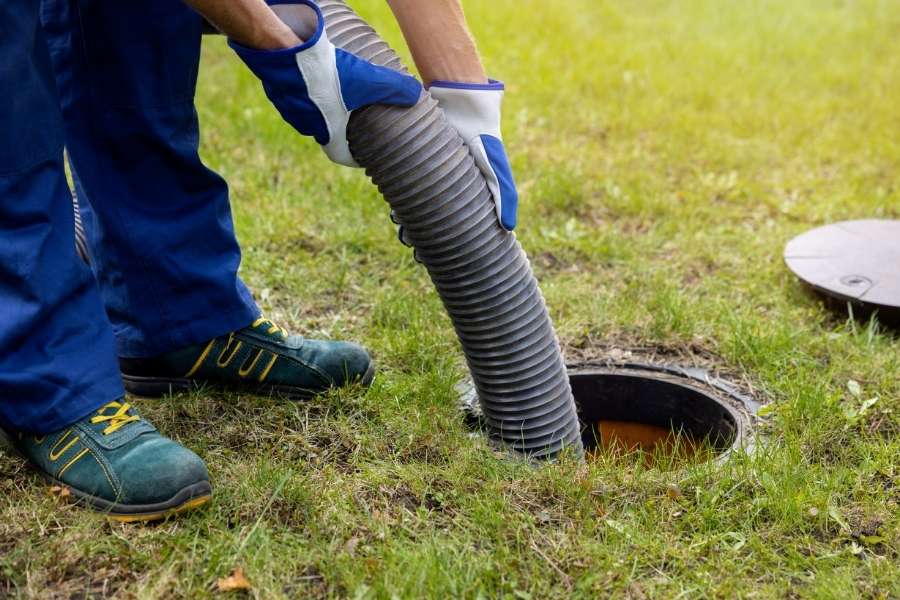
8 Practical Ways to Keep Your Drainage System Clean
Caring for household drains requires consistent attention and simple daily habits. Over time, organic matter sticks to pipe walls, decaying and releasing foul sewer gases into your home. Leaving persistent clogs untreated is one of those critical plumbing issues you should never ignore before severe water damage strikes. Routine care keeps water moving quickly and prevents sudden, stressful structural disasters. Follow these eight practical, effective ways to maintain your drainage system clean and running smoothly all year long.
Small habits yield massive benefits when it comes to residential plumbing care. Consistent care stops minor buildups before they become massive solid blockages. By using safe materials and simple techniques, you protect your pipes without risking chemical damage. Let us explore the eight best methods for keeping your home drains in peak condition.
1. Weekly Hot Water Flushing
A simple routine flushing with hot tap water prevents grease and soap from sticking to pipe walls. This free habit washes away soft, fresh buildup before it hardens into a rock-solid clog.
Run hot tap water through each sink fixture for two straight minutes every week. You can also pour a kettle of hot water down metal kitchen pipes to melt soft grease. If your home has plastic PVC pipes, use hot tap water instead of boiling water.
Hot water liquifies fresh fats and softens sticky soap residues clinging to the pipe walls. The steady stream pushes these soft particles down into the wider street sewer lines. Doing this simple flush every weekend keeps your pipes clear with almost zero physical effort.
2. Natural Cleaning with Common Pantry Staples
If you need natural ways to clean smelly bathroom pipes, common kitchen ingredients work wonders. A simple blend of baking soda and white vinegar removes light grime and neutralizes sour sulfur smells.
Pour one cup of dry baking soda straight into the open drain hole. Follow immediately with one full cup of warm white vinegar to create a bubbly foam. Cover the drain for fifteen minutes, then rinse the pipe with hot tap water.
The chemical reaction between mild acid and alkaline powder lifts fresh sludge from pipe surfaces. As the mixture foams, it reaches hidden spots inside the drain collar that water misses. This safe method deodorizes dirty drains without releasing harsh chemical fumes into your bathroom air.
3. Monthly Bio-Enzyme Treatments
Caustic chemical drain cleaners rely on harsh lye and strong acids that damage metal pipes over time. A natural biological enzyme cleaner uses safe bacteria and organic enzymes to break down clogs safely.
These natural cleaners break down hair, starches, and food scraps without creating toxic fumes or heat. Pour the recommended dose down your drains before going to bed. This gives the active enzymes several quiet hours to digest stubborn bio buildup.
Enzymes target only organic matter, leaving copper, iron, and plastic pipes completely unharmed. They work slowly through the night, converting thick slime into harmless water and carbon dioxide. Using enzymes every single month keeps your plumbing lines completely free of organic sludge.
4. Cleaning the Sink P-Trap
The curved pipe beneath your sink holds a small pool of standing water. This water barrier blocks foul sewer air from rising into your living spaces. Over time, dense food bits and hair settle at the base of this bend, causing bad smells.
Place an empty bucket under the sink pipes and loosen the slip nuts carefully. Empty the dirty water, pull out the trapped sludge, and wash the pipe with warm soapy water. Reinstall the plastic nuts firmly by hand to maintain a tight seal.
This curved pipe is designed specifically to capture heavy items before they travel deeper. It also catches dropped jewelry and heavy debris that could block the main line. Cleaning this trap takes ten minutes and instantly solves most localized sink odor problems.
5. Sanitizing Your Garbage Disposal
Kitchen disposals trap wet food debris under their rubber splash guards and around the grinding wheel. This rotting waste quickly creates a nasty foul smell that spreads through your kitchen.
Drop two cups of ice cubes and rock salt into the unit to scrub the grinding ring. Feed fresh lemon slices through the running blades while running cold tap water. Scrub the underside of the flexible rubber splash guard using an old toothbrush.
Food waste often sticks to the underside of the rubber splash guard where water cannot wash it away. Grinding hard ice cubes knocks old residue off the spinning metal parts. Fresh lemon slices add natural citrus oils that leave your kitchen smelling clean and crisp.
6. Clearing Blocked Roof Vents
Plumbing vent pipes exit through your roof to balance air pressure inside your drainage lines. When these vents become clogged with leaves, bird nests, or snow, drains gurgle loudly.
A blocked roof vent pulls the protective water seal straight out of your sink traps. This allows unpleasant sewer gas to enter your home freely. Inspect your roof vents twice each year, or hire a local professional to clear deep obstructions.
Without proper airflow from the roof, water struggles to move smoothly through indoor pipes. Air pressure builds up behind wastewater, causing sluggish drainage and noisy bubbling in sinks and toilets. Keeping your roof vents open ensures smooth, silent drainage throughout the entire house.
7. Scrubbing with Salt and Lemon Juice
For light maintenance without harsh cleaners, coarse salt and lemon juice create an effective cleaning scrub. The coarse salt crystals act as a gentle abrasive that cleans inner pipe walls safely.
Pour half a cup of coarse salt into the drain opening, then add fresh lemon juice. Let the mixture sit quietly for twenty minutes so the citric acid can dissolve greasy film. Rinse thoroughly with hot tap water to wash away loose grime and leave a fresh scent.
The gritty texture of coarse salt scrubs away soft scum without scratching delicate metal or plastic. Lemon juice cuts through light grease deposits while killing odor-causing bacteria naturally. This cheap, simple treatment keeps bathroom and kitchen sinks smelling pleasant all week long.
8. Professional Camera Line Inspections
Even careful homeowners benefit from periodic plumbing checkups by a certified technician. Professional plumbers use high-resolution cameras to spot hidden tree roots, cracked joints, or sagging underground pipes.
Plumbing experts recommend scheduling a thorough camera inspection every three years. Spotting minor pipe defects early prevents messy sewer backups and expensive yard repairs.
Underground sewer pipes face continuous pressure from shifting soil, heavy rain, and thirsty tree roots. Small cracks allow dirt to enter, creating major obstructions deep beneath your lawn. A quick camera inspection reveals the exact condition of your main sewer line without digging up your yard.
Proven Fixes for Kitchen Sink Odors
Kitchen sinks handle animal fats, milk residues, sticky starches, and soapy dishwater every single day. If you want to know how to get rid of bad smells from kitchen drains, target the grease inside your pipes.
Warm water carries tiny droplets of cooking oil deep into the plumbing network. These fats cool quickly, forming a sticky coating along the pipe walls. Trapped bacteria feed on this organic layer, releasing unpleasant odors into your kitchen.
Rotten egg smells indicate trapped food particles and bacteria, which respond well to hot water, baking soda, and white vinegar. Slow draining water suggests thick grease and starch deposits that require a manual snake and an enzyme cleaner. Loud gurgling noises point to blocked roof vents that need manual clearing. Tiny drain flies show that decaying organic matter sits inside the trap, needing prompt removal and enzymatic treatment. Combining simple mechanical cleaning with weekly hot water flushes keeps your drainage system clean and working properly.
Proper Cleaning Schedules for Household Pipes
The right cleaning schedule depends on your household size and daily cooking routines. A busy family home puts much more stress on plumbing fixtures than a quiet single-person apartment.
Run hot water for thirty seconds after washing greasy pans daily, and throw food scraps into the trash. Clear the bathroom hair catcher weekly, and flush busy sink drains with hot water. Dose drains monthly with an enzyme cleaner, and sanitize the garbage disposal thoroughly. Remove and clean all sink P-traps annually, and check exterior roof vents for blockages.
Following this simple schedule stops grease and hair from settling inside your pipes. Consistent care keeps wastewater moving quickly and helps you avoid costly emergency plumbing repairs.
Frequently Asked Questions
How often should you clean home drainage pipes?
Flush busy drains weekly with hot water, and apply an enzyme cleaner once a month. Clean sink P-traps once a year to keep wastewater flowing smoothly.
Are chemical drain cleaners safe for regular pipe maintenance?
Chemical cleaners contain harsh lye that corrodes metal pipes and damages plastic joints. Use hot water flushes, mechanical tools, and natural enzyme treatments instead.
Why does my sink smell like sulfur when water drains?
Bacteria living on trapped food scraps and hair produce smelly hydrogen sulfide gas. A dry or siphoned P-trap also lets sewer air enter your room.
