

Picture this: you’re standing in your half-finished kitchen, staring at a pile of invoices that somehow doubled your original budget. The contractor just delivered another “unfortunate discovery” about your plumbing. Your dream home renovation has become a financial nightmare. Sound familiar?
You’re definitely not alone in this mess. Nearly 40% of homeowners blew past their renovation budget last year, and get this – almost a quarter never even set one to begin with. The median spend has jumped 60% since 2020. With home renovation costs hitting anywhere from $15 to $150 per square foot, and experts warning prices might climb even higher in 2025, one wrong move can sink your finances fast.
But here’s what I’ve learned from watching countless renovations go sideways: most expensive mistakes are totally avoidable. The homeowners who end up drowning in debt aren’t cursed with bad luck. They just walked in unprepared. Let’s break down the biggest home renovation money traps and how to dodge them.
The Planning Disaster: When Home Renovation Dreams Hit a Brick Wall
Nothing hurts quite like shelling out thousands for plans you can’t actually afford. This happens way more than you’d think. Homeowners get caught up in the excitement, hire architects, then reality slaps them in the face when the quotes come back.
One couple learned this the hard way: “We thought our £80K budget was massive and had grand plans to extend and do a loft conversion. But quotes came back and they stung! We’d just paid £3.5K for architect plans only to be told we couldn’t afford most of it!!” Ouch.
This painful lesson shows why proper planning isn’t just smart – it’s survival. Wayne Goff from the University of North Carolina at Charlotte puts it bluntly: “Some of the biggest contributing factors that impact renovation cost is the scope of the project, which would include size, level of difficulty, and level of finishes.”
Home Renovation Budget Reality Check: Know Before You Go
Before you fall head over heels for any design, you need to know what you’re actually dealing with. Get a professional home inspection to understand your house’s real condition. Mike Holmes hammers this point home: “You should know the condition of your house so you know where to spend your money.”
This isn’t about being a buzzkill. It’s about being smart with your cash. Holmes always tells people to tackle the big stuff first: “roof, foundation, windows, doors, that sort of thing. Once that’s complete you’re ready to move on to the interior.”
Think of it like medical triage for your house. That leaky roof won’t wait politely while you redo the kitchen. Neither will foundation cracks or sketchy wiring. These problems will devour your budget whether you plan for them or not.
The DIY Trap: When Home Renovation Shortcuts Bite Back
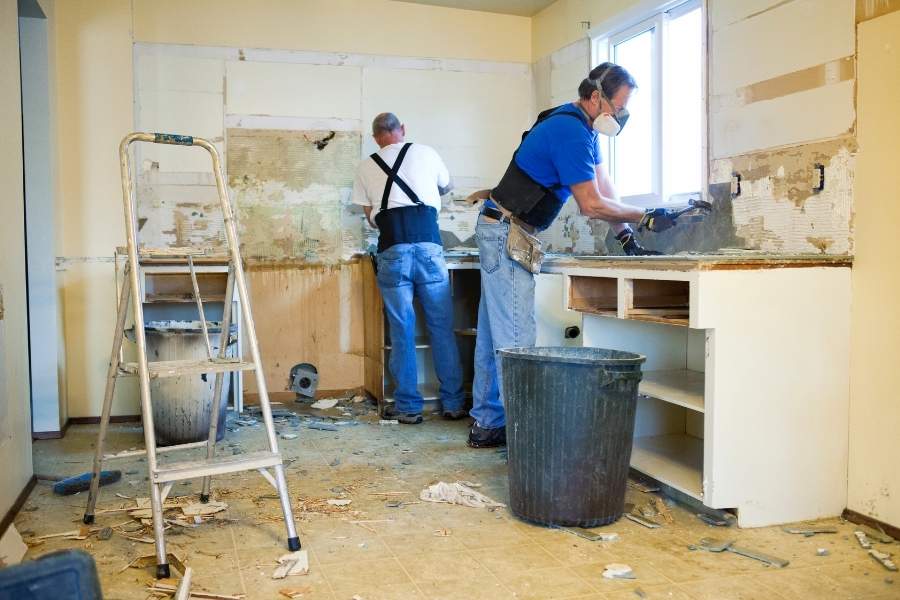
There’s something tempting about DIY projects. Why pay a contractor when you can watch some YouTube videos and figure it out yourself? The reality? It’s way trickier than it looks on screen.
Here’s the brutal truth: “tackling projects without existing know-how can be more costly in the end, as you might have to hire a professional to fix your mistakes.” Translation: your weekend warrior project could cost double when you have to pay someone to undo your handiwork.
The Technical Room Nightmare
Not all rooms are created equal for DIY adventures. Smart renovators know this: “Bathroom & kitchen renovations are the most technical spaces in the house to get right. If you’re new to renovating and designing rooms, start with less technical rooms like your living room or bedrooms to get some experience under your belt first.”
These spaces involve plumbing, electrical work, proper ventilation, and waterproofing. Mess up any of these, and you’re looking at water damage, mold, or worse. The cleanup costs often blow past what a pro would have charged originally.
Here’s a better game plan: tackle the safe stuff yourself. Paint rooms, rip out old carpet, install some shelves – these are fair game. But anything involving water, electricity, or structural changes? That’s when you call in the cavalry.
The Material Trap: Home Renovation Penny-Wise, Pound-Foolish
Material choices trip up more homeowners than almost anything else. The urge to save money upfront by going cheap often backfires spectacularly.
The harsh reality: “While you could save upfront on low-cost materials, you may spend more on maintaining, repairing, or replacing these materials down the road.” That bargain flooring might need replacing in three years, while something slightly pricier could last decades.
The Sweet Spot Strategy
The magic happens in the middle: “Mid-range options are more durable and last longer than the least expensive materials on the market while offering a similar look at a lower cost than high-end alternatives.” It’s about finding that perfect balance.
Spend your premium material budget where it counts. Kitchen countertops, bathroom tiles, flooring in main areas – these deserve quality materials. That guest bedroom? Budget-friendly options work just fine.
Renovation mistakes in material selection usually come from not seeing the big picture. Calculate cost per year of use, not just the sticker price. Sometimes spending more upfront saves you thousands later.
The Contractor Nightmare: Home Renovation Relationship Gone Wrong
The contractor relationship can make or break your entire project. Poor communication, unrealistic expectations, and sloppy vetting lead to budget explosions, endless delays, and work that makes you want to cry.
Communication problems are especially brutal: “I find that lack of communication is typically where much of the breakdown occurs in the homeowner-contractor relationship.” This isn’t just about hurt feelings. Poor communication hits your wallet hard through misunderstandings, do-overs, and delays.
The Single Quote Mistake
One of the costliest shortcuts? Taking the first quote that lands in your inbox. “Don’t settle for the first quote you receive. Instead, shop around and obtain multiple quotes from reputable contractors to ensure you get the best value.”
This isn’t just about finding the cheapest option. It’s about understanding what you’re actually getting. Compare what’s included, timelines, materials, and warranty terms. A suspiciously low quote might mean corners getting cut or work getting “forgotten.”
The Scope Creep Monster: When Home Renovation Plans Run Wild
Scope creep happens when you keep adding to or changing your renovation plans mid-project. Each tweak might seem tiny, but they pile up fast and can destroy both your budget and timeline.
Construction pros call these “change orders.” Some are necessary – like discovering your roof is leaking. Others are just expensive impulses – like deciding you want that master bedroom bigger after all.
The Hidden Cost of Dragging Things Out
One renovator shared a hard-learned lesson: “Having fewer hands on deck meant that our renovation was slow and stop-start. Now I look back and wish we’d have made ‘time to completion’ more of a priority alongside ‘cost’ and ‘quality’.”
Extended timelines aren’t just annoying – they’re expensive. You’re paying for temporary housing, eating out constantly, dealing with inflation bumping up labor costs. When renovating, assume the initial timeline is best-case scenario.
The Permit Gamble
Skipping permits or ignoring inspection requirements is a costly roll of the dice that rarely pays off. Building permits run $500 to $2,500, depending on your location and project size.
Sure, permit fees feel like throwing money away. But the cost of fixing unpermitted work discovered later? Astronomical. Some homeowners get forced to tear out finished work and start over, often at double the original cost.
The Inspection Checkpoint Reality
Your project will likely need multiple inspections throughout the process. Each one is a potential delay if work doesn’t meet code. Factor these checkpoints into your timeline and budget from day one.
The Trendy Design Trap: Home Renovation Regret Hall of Fame
Some renovation choices consistently lead to regret, no matter how appealing they seem initially. These projects typically combine high costs with lousy returns or poor functionality.
Take garage conversions. They seem brilliant until you realize you’ll drop around $30,000 to execute, and most buyers don’t value this type of renovation. The space feels awkward and disconnected from the rest of your home.
The Overdesign Problem
Decorative crown molding can add elegance, but going overboard becomes an expensive mistake. Some people blow $10,000+ on intricate designs that are difficult and time-consuming to install, often exceeding initial estimates.
The pattern is clear: elaborate, specialized features usually cost more than expected and provide less value than anticipated. Focus on improvements that actually enhance daily living rather than impressive but impractical details.
The Financing Fumble: Home Renovation Money Mistakes
How you pay for your renovation can dramatically impact the total cost. Higher interest rates have made home equity lines brutal – we’re talking 7% to 10%+ for those loans.
Many homeowners underestimate financing costs or don’t explore all their options. In 2025, you’ve got home equity loans, personal loans, and mortgage refinancing available. Each has different terms, interest rates, and tax implications.
The Emergency Fund Essential
Renovations are expensive, period. You need to understand everything required for your project – materials, products, labor, demolition. The bigger the job, the more money it’ll be. Always have a slush fund for surprises.
This isn’t being negative – it’s being realistic. Experts typically recommend adding 10-20% to your budget for unexpected costs. Emily Henderson breaks down expensive renovation errors into two buckets: design mistakes and splurges that aren’t worth the cost. Both become manageable when you have financial cushion.
The Timeline Trap: Home Renovation Seasonal Surprises
Timing your renovation can seriously impact costs, but most homeowners don’t think about seasonal factors. The construction industry runs on supply and demand, which directly affects renovation costs.
Spring and summer are peak renovation seasons – contractors are swamped and prices are highest. Fall and winter projects might save money but come with weather challenges and potential delays.
The Supply Chain Roller Coaster
Material prices for lumber, steel, and concrete fluctuate wildly. Supply and demand, trade policies, and natural disasters all mess with availability and costs. Your reasonable material budget in January might be laughably inadequate by March.
Consider locking in material prices early, especially for major purchases like flooring, fixtures, and appliances. The small upfront cost often pays off when market prices go crazy.
The Smart Path Forward: Home Renovation Success Strategies
Avoiding these costly mistakes requires more than just awareness. You need a systematic approach that prioritizes planning, communication, and realistic expectations.
Remember, successful home renovations are marathons, not sprints. Take time to research, gather multiple contractor quotes, and create a comprehensive plan that balances your dreams with your wallet’s reality.
Start with the basics: understand your home’s condition, establish a realistic budget with contingencies, and prioritize structural issues before pretty improvements. Think about how each renovation actually improves your daily life.
The most successful renovations focus on long-term value rather than short-term wow factor. Are you renovating to sell or creating a forever home? Your timeline dramatically influences scope, budget allocation, and design choices.
With the home renovation sector projected to hit $477 billion by Q3 2025, you’re definitely not alone in wanting to improve your living space. The key is learning from others’ expensive mistakes rather than repeating them yourself.
The difference between a successful renovation and a financial disaster often comes down to preparation, realistic expectations, and smart decision-making. Your dream home is totally achievable – you just need to navigate the process with wisdom gained from those who’ve been there before.
After all, the only thing worse than living with an outdated kitchen is living with an outdated kitchen and a maxed-out credit card. Which scenario sounds more appealing to you?
