

Heat pump drama is real, folks. You’re scrolling through home improvement forums at 2 AM, reading heated debates (pun intended) between die-hard heat pump fans and gas furnace loyalists. Your neighbor just installed one and won’t shut up about their electric bill. Meanwhile, your HVAC guy keeps pushing gas like it’s 1985.
Here’s the thing: both camps have valid points, but they’re also missing the bigger picture. This isn’t about picking teams or following trends. It’s about finding what works for your actual house, your actual budget, and your actual life. No marketing fluff, no technical gymnastics – just real talk about heating your home.
We’re diving deep into the nitty-gritty details that matter when you’re staring at a five-figure invoice. From upfront costs that make you question your life choices to those sneaky operating expenses that add up faster than you’d expect, we’ve got the inside scoop. Plus, we’ll tackle the elephant in the room: whether heat pumps work in cold weather or if that’s just wishful thinking from California homeowners.
How Heat Pump Magic Actually Happens
Heat pump technology is basically physics showing off. Picture a refrigerator that decided to become an overachiever. Instead of just keeping your leftovers cold, it figured out how to steal heat from freezing air and pump it into your living room. Sounds impossible? That’s exactly what your great-grandfather thought about smartphones.
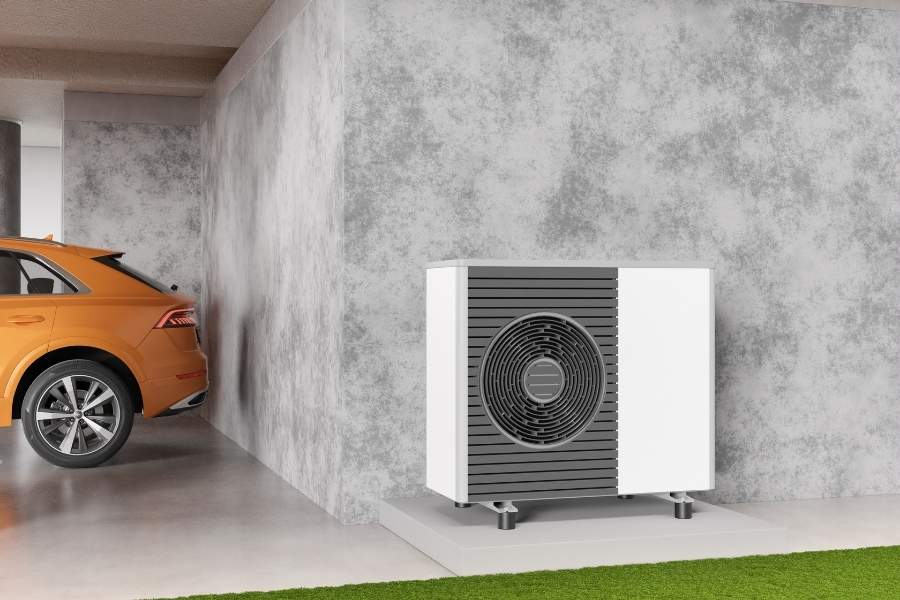
The whole system runs on a simple but brilliant concept. There’s always heat energy floating around, even when it’s cold enough to see your breath. The outdoor unit acts like a heat detective, tracking down this invisible thermal energy and arresting it. Then it gets compressed and concentrated until it’s warm enough to heat your house.
Four main players make this magic happen: a compressor (the muscle), two coils (the heat exchangers), and refrigerant (the messenger). The refrigerant travels between inside and outside, picking up heat from one place and dropping it off at another. During summer, it runs the opposite direction, turning your heat pump into an air conditioner.
Heat Pump Numbers That Actually Matter
Heat pump efficiency gets measured with acronyms that sound like government agencies. HSPF tells you how well it heats, SEER covers cooling performance. Higher numbers mean lower bills – it’s that simple. But here’s what the brochures don’t mention: these ratings assume perfect conditions that rarely exist in real life.
Variable-speed heat pumps are the Tesla of heating systems. They adjust their effort based on what you actually need instead of going full blast every time. Think cruise control for your comfort system. You’ll pay more upfront, but your electric meter will thank you later.
The sweet spot for modern units hits HSPF ratings between 9 and 13. Anything above 10 qualifies as high-efficiency territory. SEER ratings dance between 16 and 25 for top-tier models. These aren’t just marketing numbers – they translate directly to cash staying in your pocket instead of disappearing into thin air.
Gas Furnaces: Old School but Not Old Hat
Gas furnace systems have been keeping people warm since your great-great-grandmother complained about drafty houses. They burn natural gas or propane to create honest-to-goodness heat, then blow it through your ducts with enough force to make your curtains flutter. Simple, reliable, and satisfyingly straightforward.
The beauty lies in the simplicity. Gas burns hot, heat exchanger captures that energy, blower pushes warm air around your house. No fancy refrigerants, no outdoor units that look like alien spacecraft. Just controlled fire doing what controlled fire does best – making things toasty.
High-efficiency gas furnaces squeeze every BTU out of your fuel dollar. The best models capture over 95% of the heat energy from burning gas. The remaining 5% goes up the flue pipe, carrying away combustion gases that nobody wants breathing. It’s an elegant solution that’s been refined over decades.
Condensing gas furnaces take efficiency to the next level by capturing heat from water vapor in exhaust gases. Think of it as getting bonus heat from steam – every little bit helps when gas prices spike during cold snaps.
Gas Furnace Ratings Decoded
Gas furnace efficiency ratings use AFUE (Annual Fuel Utilization Efficiency) to measure how much of your gas bill actually heats your house. A 95% AFUE furnace turns $95 of every $100 in gas into useful heat. The other $5 disappears up the chimney, but that’s the price of safe operation.
Two-stage gas furnaces run like cars with manual transmissions. First gear handles normal heating loads at reduced capacity, while second gear kicks in when it’s cold enough to freeze your thoughts. This flexibility saves energy during mild weather while ensuring you stay comfortable when polar vortexes attack.
Modulating gas furnaces represent the premium option – they adjust heat output in tiny increments like a dimmer switch for warmth. More expensive than basic models, but they deliver restaurant-quality comfort with efficiency that makes your accountant smile.
Money Talk: What You’ll Really Pay
Heat pump installation costs typically run $4,000 to $8,000 for a complete setup. That covers the outdoor unit that looks like a giant metal box, the indoor unit hiding in your closet or basement, plus all the connecting bits that make everything talk to each other. Ductless heat pump systems cost a bit more because you’re essentially installing multiple indoor units throughout your house.
Gas furnace installation usually lands between $3,000 and $6,000, assuming you already have gas service. If you don’t have a gas line, add another $1,000 to $3,000 for the utility company to run pipes to your house. That’s when the “affordable” gas option starts looking less affordable.
Installation complexity can turn budget projects into financial adventures. Replacing an existing system in a house with good ductwork? Straightforward. Retrofitting a 1950s ranch with no ducts and questionable electrical? Break out the credit card and your patience.
Sneaky Costs Nobody Warns You About
Heat pump maintenance costs include annual checkups that involve checking refrigerant levels and cleaning coils. These systems have more moving parts and electronic components than gas furnaces, which sometimes translates to pricier repairs when warranty periods expire. Think smartphone repairs vs flip phone fixes.
Gas furnace maintenance focuses on safety inspections and keeping combustion systems clean. You’re dealing with fire and potentially deadly gases, so professional inspections aren’t optional. The good news? These checkups typically cost less than heat pump service calls.
Electrical upgrades catch homeowners off guard more often than they should. Heat pumps need serious electrical connections – sometimes requiring panel upgrades or new circuits that add $500 to $2,000 to your project budget. Gas furnaces need minimal electricity but require proper venting that might need updating in older homes.
The Monthly Bill Reality Check
Heat pump operating costs depend heavily on where you live and what you pay for electricity. In mild climates with reasonable electric rates, heat pumps often cut heating costs in half compared to gas. The magic happens because heat pumps move existing heat rather than creating it from scratch – like borrowing heat instead of manufacturing it.
Gas furnace operating costs ride the roller coaster of natural gas prices. Recent market volatility makes predictions tricky, with prices swinging wildly based on supply disruptions, weather patterns, and geopolitical drama. Your heating bill becomes a monthly surprise box.
Climate zones matter more than marketing materials admit. Heat pumps dominate in moderate climates where winters stay relatively mild. Gas furnaces shine in regions where “cold” means your car needs a block heater and your morning coffee freezes before you finish it.
Regional Price Games
Electricity vs gas costs vary dramatically depending on your zip code and local utility politics. Pacific Northwest residents enjoy cheap hydroelectric power and expensive gas, making heat pumps obvious winners. Meanwhile, areas sitting on natural gas reserves with expensive electricity tip the scales toward gas heating.
Time-of-use electricity rates complicate heat pump economics in some markets. Peak demand charges during cold winter evenings can spike your bill when you need heat most. Smart thermostats help by pre-heating your house during cheaper off-peak hours.
Utility rebates and incentives often swing the decision toward heat pumps. Federal tax credits, state cash-back programs, and utility incentives can knock $2,000 to $5,000 off heat pump costs. These programs recognize the grid benefits of efficient electric heating.
Environmental Impact: The Uncomfortable Truth
Heat pump environmental benefits sound great on paper but depend heavily on how your local utility generates electricity. If your power comes from wind farms and solar arrays, heat pumps are environmental superheroes. If coal plants keep your lights on, the picture gets murkier.
Gas furnace emissions happen right at your house through combustion byproducts including carbon dioxide and nitrogen oxides. Modern furnaces burn remarkably clean, but they still produce emissions that contribute to local air quality issues and climate change.
Carbon footprint comparisons require honest analysis of regional electricity sources. Heat pumps powered by dirty electrical grids might produce more emissions than efficient gas furnaces. However, electricity generation continues getting cleaner while natural gas extraction methods raise environmental questions.
The trend strongly favors electric heating systems as renewable energy capacity expands. Solar and wind installations are breaking records annually, making grid electricity cleaner every year. This shift strengthens the environmental argument for heat pump adoption.
Looking Ahead: The Energy Transition
Renewable energy integration positions heat pumps as key players in grid modernization efforts. Smart heat pumps can consume excess renewable electricity when the sun shines or wind blows, storing thermal energy in building mass for later use. This flexibility helps balance electrical grids.
Building electrification trends increasingly favor all-electric homes powered by clean energy. Many new developments skip gas connections entirely, simplifying construction and reducing long-term infrastructure costs. Some cities now mandate electric heating in new construction.
Heat pump technology advancement keeps pushing performance boundaries. Next-generation refrigerants offer lower environmental impact while improved designs extend efficient operation into colder temperatures. These improvements continuously strengthen the case for heat pump adoption.
Climate Reality: Where Each System Thrives
Heat pump cold weather performance has improved dramatically, but physics still rules. Modern cold climate heat pumps maintain decent efficiency down to 5°F, but they work harder and cost more to operate as temperatures drop. They’re not magic – just really good at extracting heat from seemingly heatless air.
Gas furnace climate performance remains rock-solid regardless of outside conditions. Whether it’s 40°F or -20°F, your gas furnace delivers the same heat output with the same efficiency. This consistency appeals to anyone who’s lived through a polar vortex.
Heat pump backup heating addresses cold-weather concerns through hybrid systems. Dual fuel heat pump systems automatically switch to gas backup when temperatures drop below the heat pump’s sweet spot. You get efficiency when possible, reliability when necessary.
Geographic Sweet Spots
Regional heat pump suitability varies dramatically across the country. Pacific Northwest, Southeast, and Southwest regions offer ideal conditions with mild winters and favorable utility rates. Northern plains and mountain states still lean toward gas due to brutal winters and abundant natural gas supplies.
Humidity considerations affect both comfort and efficiency. Heat pumps naturally dehumidify during cooling season, which feels great in muggy climates. Dry regions might need supplemental humidification during winter heating operation.
Heat pump sizing becomes critical in climates with big swings between heating and cooling needs. Oversized systems waste energy through short-cycling, while undersized units struggle during extreme weather. Professional load calculations prevent expensive sizing mistakes.
